Leadership & Customer Stories

Real lessons. Not management theory.

The stories here are the experiences that shaped how I coach people, manage pipeline, work with customers and think about leadership.

Jeff Hoyland

The story that helped define the kind of manager I wanted to be.
Dedicated story page
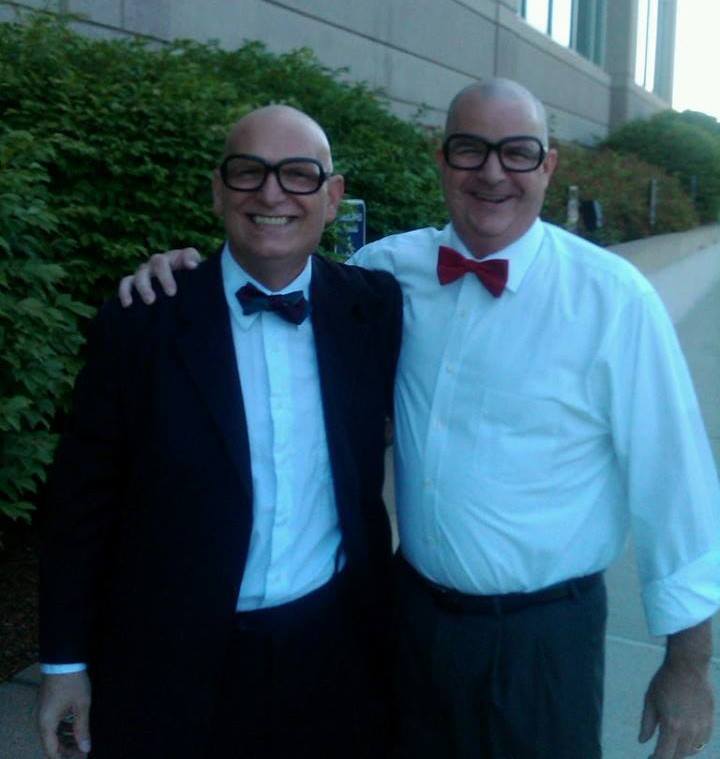
Mike Conrad and Jeff Hoyland dressed as the Six Flags Old Guy
Jeff and I dressed as the “Six Flags Old Guy” on his second day back at work.

Jeff Hoyland wasn't always one of my strongest BDRs.

At one point Jeff was struggling enough that I put him on a performance improvement plan. But I've never believed a PIP should be paperwork designed to get somebody out of the company. If I'm going to put someone on a performance plan, then I have an obligation to help them succeed at that plan.

So Jeff and I went to work. We focused on what wasn't working, coached the areas that needed improvement and gave him a real opportunity to turn things around.

He did.

Jeff worked his way completely off the PIP and eventually earned a promotion to Senior BDR.

That's important because Jeff didn't become special to me because he got sick. I had already watched him struggle, respond to coaching, improve and become an important member of the team.

Then Jeff was diagnosed with throat cancer.

Before beginning treatment, he came to me with a question I will never forget. He wanted to know when he should schedule his treatment so his absence wouldn't hurt the team's quota.

Think about that. This guy had just been told he had cancer, and he was worried about our number.

I basically told him he was crazy. Get treatment. Get healthy. I'll worry about the quota.

The night before Jeff was due to return to work, I was getting a haircut. While I was there, I found myself thinking about Jeff and the dedication he had shown to the team throughout everything he was going through.

When I got home, I told my wife about it and made a decision.

I shaved my head.

I went into work early the next morning, before anyone else arrived, and put on the Battle Helmet. We used that helmet on the sales floor when I was giving one of my speeches about getting into the trenches and fighting for the number.

When the team came in, nobody noticed that I had shaved my head. They were so focused on the helmet that my completely bald head somehow went unnoticed.

I talked about Jeff's commitment, his courage and what he meant to the team. Then I removed the helmet.

That was when they realized what I had done.

There wasn't a dry eye in the room.

I hadn't shaved my head to make a statement about leadership. I wasn't thinking about some lesson I could tell years later. Jeff was a member of my team who had shown incredible dedication while fighting something much bigger than anything happening at work. It simply felt like the right thing to do.

Looking back, moments like that helped define the kind of manager I wanted to be.

And I didn't need to give the sales speech. The team crushed quota that month.

Unfortunately, Jeff's cancer eventually returned.

The team organized a transportation schedule to make sure Jeff could get to treatments. I didn't mandate it. There wasn't a KPI for it. Nobody was getting compensated for it. They did it because one of their teammates needed them.

Jeff eventually lost his battle with cancer.

What he did with the years he had was remarkable. When speaking became difficult, he turned to photography. He photographed kids, sports, performances and community events around Bedford, Massachusetts. He helped other cancer patients and promoted acts of kindness. Bedford eventually named him Citizen of the Year.

Life gave Jeff more lemons than anyone deserves. He built a lemonade empire.

Jeff taught me that accountability and compassion aren't opposites. You can put someone on a PIP and fight like hell to help them succeed. You can demand performance while caring deeply about the person producing it.

There are very few days that go by when I don't think about Jeff. He was an inspiration to me, to the people who worked beside him, and eventually to an entire community.

I was fortunate enough to be his manager for part of his journey. I was even more fortunate to be his friend.

It helped define the kind of manager I wanted to be.

I cannot be successful unless the people who work for me are successful.

I didn't learn that from a management book. I learned it from people like Jeff.

I miss him.

What Disney Taught Me

Purpose→People→Process→Experience→Loyalty→Revenue

I'm a huge Disney fan, but my interest has never been limited to parks and movies. A significant part of my philosophy around customer support came from watching how Walt Disney World approached its Guests.

Great customer service isn't an accident. It is designed. The customer doesn't care about your org chart. Every handoff is still your brand.

The BDR isn't making calls. They're creating the beginning of a customer relationship. The AE isn't just closing an opportunity. They're setting expectations for everything that happens after the contract is signed. Support isn't closing tickets. They're restoring confidence. Customer Success isn't processing a renewal. They're earning the right to continue the relationship.

Details tell customers whether you care. Did someone remember what they said? Did the AE brief Implementation? Did anyone send what was promised? Does a customer have to explain the same issue every time they're transferred?

Loyalty has to be earned again. A respected brand gets you another opportunity. The experience determines whether you deserve the customer's loyalty again.

The Disney Test: Follow one customer from first marketing touch through renewal. At every handoff ask what was promised, what they experienced, who owns it, and whether the experience is worth telling someone else about.

PURPOSE → PEOPLE → PROCESS → EXPERIENCE → LOYALTY → REVENUE

An 80% opportunity with no activity is not an 80% opportunity.

80%Stage alone is not evidence.

A manager cannot manage pipeline by looking only at opportunity name, value, stage and close date. I want to see the notes, the last meaningful activity and what the customer has actually done.

I cannot tell you how many times I have seen an opportunity sitting at 80% when the last meaningful activity was 45 days ago. Sometimes the email history makes it even clearer: the same “checking in” or “touching base” message sent over and over with no response from the prospect.

That is not an 80% opportunity. That is a salesperson hoping the customer comes back.

Account Executives naturally want to show a strong pipeline, but keeping dead opportunities open does not make the pipeline stronger. It makes the forecast less trustworthy and puts both the rep and the manager in a worse position when those deals never become revenue.

That is why I want clear entry, evidence, exit and stale criteria for every stage. I also compare opportunity behavior with the normal sales cycle. The CRM should not just tell me what stage a salesperson selected. It should help me determine whether the evidence supports it.

“How do you know?”

Evidence before confidence.

At Quest, we had a roughly $125,000 opportunity in the works. We were using MEDDPICC, but I felt we were treating it more like something to complete in the CRM than something to use to run the opportunity.

During a 1:1, I started challenging the rep's answers. When we got to Decision Criteria, I asked a simple question: “How do you know?”

It turned out the criteria in the opportunity were her interpretation of what she thought the customer cared about. They were not the customer's actual criteria.

On the next call, she asked the prospect directly. Now we knew what the customer would actually use to evaluate the bids. When it was time to respond, we could make sure we addressed those criteria instead of guessing.

The problem was not MEDDPICC. The problem was how we were using it. A completed CRM field does not mean you know the answer. Sometimes it only means somebody typed something into the field. That is why one of my most important coaching questions is still: How do you know?

The 5 / 5 / 20 problem.

5520

One of the clearest examples of compensation driving behavior came from a quarterly BDR plan with a target of 30 meetings. The pattern became predictable: five meetings in month one, five in month two and twenty in month three.

The team could hit the quarterly number, but the end-of-quarter rush hurt quality. Account Executives became frustrated because a flood of meetings arrived when they were trying to close the quarter, and the plan rewarded volume at the wrong time instead of consistent opportunity creation.

The people were not the problem. The system was paying them to behave that way.

I redesigned the plan around ten meetings per month. I reduced the commission attached simply to setting a meeting and added incentives when opportunities reached proposal and when they became Closed Won revenue.

I built the business case and took it through my boss, Human Resources, Finance and the CEO. We piloted the change because I wanted the compensation plan to reward the behavior the business actually needed, not just make the spreadsheet add up.

The result was better meeting quality, more consistent performance, stronger trust with the Account Executives and more predictable revenue. The exact compensation percentages changed over time, but the principle never did: people optimize for what the system rewards.

If you pay people to set meetings, do not be surprised when they become meeting setters.

More Leadership Lessons Behind the System

The operating system came from moments like these.

No Jerks

Talent is not a license to damage the team. I hire for character, coachability and the ability to make the people around you better. Performance and culture are not competing priorities.

The Resume Handoff

When a leader inherits a team, the first job is not to prove authority. It is to learn the people. A resume can tell you where someone has been; conversations about goals, motivators and self-assessment tell you where they want to go.

Fight for the Right Thing

A commission decision may be a spreadsheet line to Finance and a statement of trust to the salesperson. When rules, timing or circumstances create an unfair outcome, leadership has an obligation to advocate for the person affected.

Optimize the System Before Blaming the Individual

Before deciding a person is the problem, inspect territory, data, process, enablement, expectations, coaching and management. Accountability still matters, but diagnosis comes first.

The QBR Is Not a Slide Show

A useful business review asks what changed, what value was realized, what is underused, where workflows are breaking, what the customer wants next and how they define success. Activity is not the outcome.

Develop the People Already Winning

Top performers need coaching, career conversations and stretch opportunities too. Green numbers should never become permission for a manager to stop developing someone.

The stories explain the system.

They are why I believe people, process, data, customers and leadership have to be managed together.

Explore the system